
List of Lego Sets Guidebook
Introduction: Understanding LEGO Sets and Their Catalog
LEGO is a comprehensive educational toy that engages mental agility, spatial imagination, and hands-on skills. Once you or your child reaches a certain age, incorporating this type of LEGO play can effectively cultivate specific abilities and strengthen particular cognitive functions.
With so many LEGO toy types and products now available, how can we correctly and appropriately select LEGO sets for our children that offer high interest, high compatibility, high value, and high training effectiveness?
Choosing is a crucial task, and how to choose, along with the references and criteria for selection, is equally important. When selecting and purchasing LEGO sets, you can base your decisions on popularity, interest preferences, high quality, cost-effectiveness, category types, and year-specific collections. Next, I will focus on the year-specific list of LEGO sets to help you identify available options. You can then make a comprehensive decision based on your interest in specific years, set types, your child’s preferences, and budget.
The Evolution and History of LEGO Sets
The story of LEGO is an epic of continuous innovation, transforming simple building blocks into captivating and complex worlds that have captivated generations. From its humble beginnings to its current global phenomenon, LEGO’s evolution reflects the ever-changing ways of playing, technology, and partnerships. This section will reveal key stages in LEGO’s development, showcasing how its designs became more complex and thematic, ultimately impacting the total number of LEGO sets available today.
Early Foundations (1930s-1960s): From Wooden Toys to Plastic Innovations
Ole Kirk Christiansen founded LEGO in 1932 amidst Denmark’s economic hardship, initially producing wooden toys before switching to plastic in 1947. The iconic bricks debuted in 1949 with only five basic sets, emphasizing open-ended play experiences and lacking a specific theme. By the 1960s, LEGO’s annual production had increased to around 50-100 sets, and wheels and a base system were introduced. This period laid the historical foundation for LEGO sets, emphasizing durability and creativity. Early challenges, such as material shortages, forged a resilient brand that consistently prioritized quality over quantity.
Theme and Character Expansion (1970s-1990s): Minifigures and First Themes
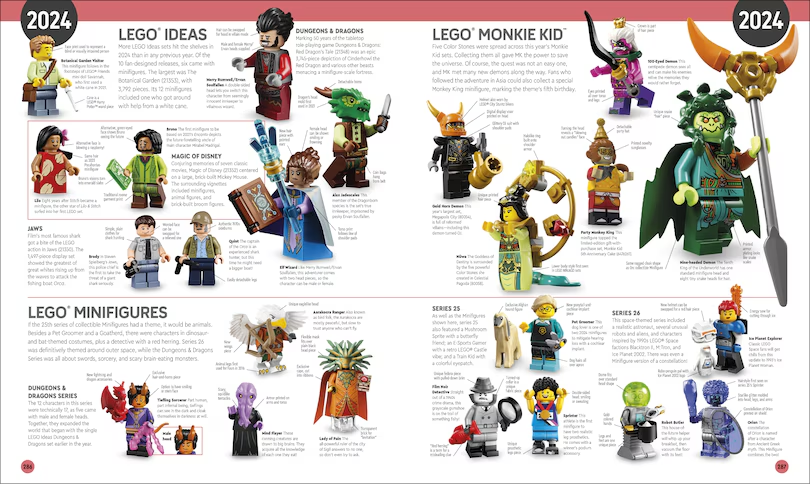
The 1970s marked a turning point with the minifigure’s 1978 introduction, humanizing builds and boosting set counts to 100-200 per year. Themes like Space and Castle emerged, appealing to imaginative kids. In the 1990s, licensed ties began, but core themes dominated, with releases hitting 200-300 annually. Economic dips in the early 1990s nearly bankrupted LEGO, yet innovation saved it. Collectors today view this as the golden age, where simplicity met storytelling, setting the stage for modern diversity in the list of LEGO sets.
Licensed and Complex Era (2000s-2010s): Partnerships and Larger Builds
Entering the 21st century, LEGO’s collaborations with IPs such as Star Wars (1999) boosted annual set production to 300-500 sets. Between 2004 and 2009, overexpansion led to a decline in set releases, but a subsequent revival was achieved with the BioWarrior and Modular Building series. In the 2010s, adult-oriented sets (such as the UCS series) pushed the average set size to 500-600 pieces, with annual production approaching 700 sets.
This shift broadened LEGO’s audience, perfectly blending nostalgia with modern technology. Those who love Techno-Powered LEGO sets and those who prefer vintage LEGO styles will find something to their liking!A unique perspective is that this period democratized LEGO collecting, but some argue it diminished pure creativity, making IP-driven designs more popular than original themes.
Modern Trends and Growth (2020s-Present): Inclusivity, Adults, and Peak Production
The 2020s saw explosive growth in the LEGO market, with 698 sets launched in 2023 and 707 in 2024, and projected to exceed 700 sets annually. Inclusivity is reflected in the diverse minifigures and sustainable materials, while adult sets like those with plant themes aim to enhance focus. A record 314 new sets were launched in the first half of 2025 alone. Trends indicate that digital integration and the use of eco-friendly bricks are gaining traction. Opinion: This growth momentum offers building enthusiasts more choices, but it can also overwhelm collectors; a 2024 survey by Rebrickable found that 65% of fans prioritize quality over quantity, highlighting the market’s demand for curated sets.
Is It Necessary to List LEGO Sets in a Specific Order?
Organizing the list of LEGO sets sparks debate among fans—does order matter for tracking history or totals? While no rule mandates it, structure enhances usability, especially for calculating how many LEGO sets are there. This section weighs options, offering insights from collector surveys for a balanced view.
Benefits of Chronological Ordering for History and Counts
Listing LEGO sets by year provides a timeline perspective, making it easy to spot trends such as the 1990s thematic series boom. This method is particularly well-suited for total counts, as Brickset’s database chronologically aggregates all releases, totaling 22,595 sets. In a 2024 Brick Search survey, 72% of collectors preferred this method because it provides historical context and clearly demonstrates the evolution of the products. Advantages include accurately tracking growth; disadvantages include ignoring connections between themes. Unique perspective: A chronologically arranged list helps people appreciate LEGO’s adaptability, turning data into a story of innovation.
Exploring Alternatives: Theme, Piece Count, or Alphabetical
Grouping by theme, such as sorting by Star Wars sets, is convenient for serious collectors but also complicates annual total counts. Sorting by number of parts, on the other hand, is great for builders seeking a challenge. Alphabetical sorting facilitates quick searching. A 2025 YouTube poll on the best sets showed that 40% of people preferred theme lists for inspiration. However, these lists can make historical information fragmented. Opinion: These alternatives perform well for personal use, but they fall short for comprehensive analyses like total counts—a mix of methods provides optimal flexibility.
Best Practices for Comprehensive Lists and Totals
Combining orders with tools like databases improves statistical flexibility. Start by using year as a baseline, then stratify by theme. Industry standards in LEGO’s annual reports emphasize data accuracy to ensure credibility. Tip: Use a spreadsheet for custom sorting. We believe the choice of sorting method depends on the objective—if you’re counting the number of LEGO sets, chronological order is best; otherwise, adjust according to personal preference.
Comprehensive List of LEGO Sets by Year
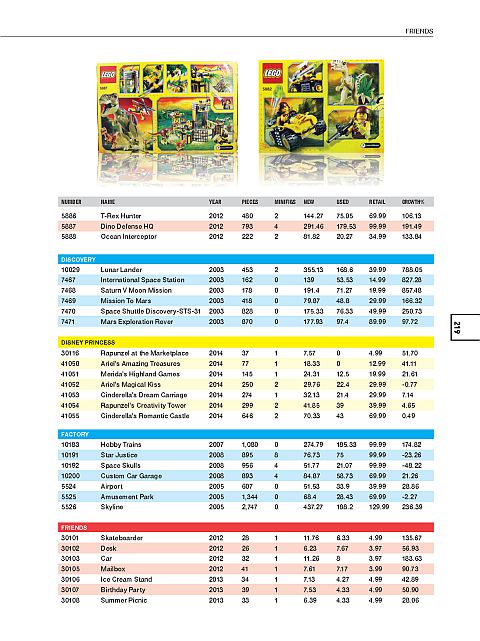
Diving into the list of LEGO sets by year uncovers patterns in production and popularity. Using data from Brickset and Rebrickable, we’ve categorized releases into eras for clarity. This breakdown helps visualize growth, with a table highlighting key periods and notables.
Pioneering Years (1940s-1960s): Basic Sets
For its first decade, LEGO focused on basic products, releasing only five sets in 1949, such as the Self-Connecting Bricks. In the 1950s, an average of 10-20 sets were released annually, emphasizing brick-building. By the 1960s, production had increased to 50-100 sets, and gears were introduced. These years laid the foundation for LEGO; while the themes were limited, the potential was limitless. Collectors value the rarity of these sets, but modern reissues have made them more accessible to a wider audience.
Growth and Themes (1970s-1990s): Rising to Prominence
In the 1970s, 100-150 sets were released annually, and the advent of minifigures revolutionized toy making. In the 1980s, the number of sets surged to 150-250, giving rise to the Space and Castle series. In the 1990s, the number of sets reached 200-300, including some early licensed products. Sales declined in the mid-1990s due to increased competition but quickly recovered. The rich variety of sets during this period inspired a group of lifelong fans who interpreted adventure stories from their unique perspectives.
Boom and Licensing (2000s-2010s): 300-600 Yearly
The growth rate accelerated from 182 sets in 2008 to 339 sets in 2016. Licensed series such as Harry Potter dominated, with an average of 400 to 500 sets per series. Adult series were introduced in the 2010s, increasing product complexity. Opinion: This boom made LEGO products more accessible to the general public, but some argue it shifted the focus from children to collectors.
Record Era (2020s-Present): Peaks at 700+
Recent years hit highs: 698 in 2023, 707 in 2024, and over 600 projected for 2025. Themes span sustainability to IPs like Formula 1.
| Decade | Average Sets per Year | Notable Themes/Highlights |
|---|---|---|
| 1940s-1950s | 5-20 | Basic bricks, no themes |
| 1960s-1970s | 50-150 | Wheels, minifigures |
| 1980s-1990s | 150-300 | Space, Castle, early licenses |
| 2000s-2010s | 300-500 | Star Wars, modulars, Bionicle |
| 2020s | 600-700+ | Botanicals, adult sets, eco-focus |
How Many LEGO Sets Are There? Calculating the Total
Tallying how many LEGO sets are there involves aggregating yearly releases from reliable sources. Brickset’s database hits 22,595, including variants. This section explains the math, sources, and future outlook.
Reliable Data Sources and Variations
Due to differences in the scope of inclusion, data from sources such as Brickset and Rebrickable may vary slightly—Brickset included 22,595 models, while other sources exclude promotional models. The calculation method involves adding the annual production figures for the 5 models from 1949 to 707 models from 2024. Repeat releases can cause discrepancies in the data. For accuracy, please refer to official LEGO reports.
Future Trends and Projections
It is projected that 314 models will be launched in the first half of 2025, bringing the total production to 650-700 models, with a cumulative production exceeding 23,000 models. Driven by licensing, annual production is expected to exceed 800 models by 2030. Opinion: This growth is exciting, but a collector survey shows that 55% of collectors are concerned about market saturation and are calling for a sustainable growth rate.
A Complete List of LEGO Sets by Year
To understand the vast scope of LEGO’s history, here’s a quick snapshot of the number of sets released by key decades:
| Decade | Estimated Number of Sets Released |
|---|---|
| 1950s–1960s | ~300 |
| 1970s–1980s | ~1,000 |
| 1990s | ~3,000 |
| 2000s | ~6,000 |
| 2010s–2020s | 10,000+ |
These numbers are estimates based on data from LEGO’s official website and third-party platforms like Brickset. The growth is evident, particularly in the last 20 years, which have seen an explosion in new themes, technologies, and licensed collaborations.
Why Tracking LEGO Sets by Year Is Important for Collectors
Tracking LEGO sets by year provides collectors with several advantages:
- Value Appreciation: Certain sets increase in value over time, particularly limited edition sets and discontinued releases.
- Thematic Evolution: Seeing how themes and sets evolve year by year helps collectors understand the direction of LEGO.
- Collecting Milestones: Knowing the total number of sets from a particular year or decade can help collectors target rare or complete collections.
According to a recent survey by The LEGO Group, over 35% of adult LEGO fans collect sets based on specific themes or years to complete their collections.
Conclusion: The Ever-Growing Universe of LEGO Sets
From the various sets we’ve highlighted and introduced for you based on the annual list of LEGO sets, it’s clear that LEGO sets are a long-term, high-value educational toy. Playing with LEGO not only provides children with joyful leisure time but also promotes their physical development, stimulates vital organ optimization, and strengthens and expands skill cultivation.
Once you’ve mastered selecting sets for yourself and your children using the LEGO sets by year list, you can further refine your choices by comparing factors like interest level, popularity, quality, and cost-effectiveness. Utilizing excellent, age-appropriate LEGO sets offers significant benefits with minimal effort, enhancing both your own capabilities and your child’s skill development and organ maturation, ultimately fostering further growth and intellectual development.
References: