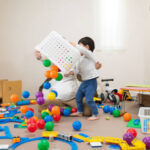

As parents, we all know and hope that our children can develop together in various aspects such as morality, intelligence, physical fitness, aesthetics, and labor. None of them are indispensable, and we strive to make our children a well-rounded, well-rounded, multi talented, and excellent individual. So, compared to sports, exercise is an indispensable behavior. So, compared to sports, sports toys are also an important medium for children to have early exposure to the manifestation of ‘body’.
So is there any difference in early children playing with sports toys? For example, we compare babies with infants. Mainly from the comprehensive comparison of infant sports toys and newborn sports toys based on age group rules, and also from some side perspectives, such as infant sports toys and preschool sports toys, we will conduct a comprehensive analysis of these different stages of children.
Of course, it is not possible to only focus on the comparison between baby sports toys and infant sports toys. We can strive to compare sports toys with infant sports toys at every stage of the entire child age group, so that you can more comprehensively analyze which one is more suitable for your child’s choice of sports toys at that stage.
Only by choosing sports toys that your child likes and can truly use them to develop their interests and hobbies, as well as to acquire purposeful skills, can you maximize the benefits for your child and let them feel the charm of sports. At the same time, a series of aspirations and exploratory desires for sports and other activities are developed through sports toys. Only in this way can we achieve development in sports, receive some differentiated reinforcement and meet the needs of children’s own development and growth, strengthen self exercise, and balance both growth and development.
Benefits of Sports Toys for Infants and Babies
Both infant sports toys and baby sports toys have significant benefits that contribute to your child’s early development.
1. Physical Development
- Both types of toys help strengthen muscles, improve coordination, and foster motor skill development. As babies progress from tummy time to running, these toys play an essential role in building strength and agility.
2. Cognitive Development
- Infant sports toys stimulate sensory exploration, encouraging babies to engage with their environment, while baby sports toys help toddlers learn about cause-and-effect relationships as they begin to understand how to control their movements.
3. Social and Emotional Growth
- Baby sports toys encourage group play and can teach toddlers important lessons in sharing, following rules, and working as a team. These skills are foundational for emotional and social development.
Why Sports Toys Matter for Early Development
Sports toys do more than entertain—they lay the foundation for physical health. The American Academy of Pediatrics (AAP) recommends daily tummy time with toys like soft balls to strengthen muscles and prevent flat head syndrome. In my view, in an era of endless screens, these toys offer a refreshing counterbalance, fostering real-world movement that apps can’t replicate. A Parents magazine survey of over 1,000 families in 2025 found 70% noticed improved coordination in kids using active toys regularly.
Benefits break down like this:
- Motor Skills: Reaching for a crinkle ball builds infant strength; pushing a sports cart aids baby walking.
- Cognitive Perks: Cause-and-effect play sharpens focus.
- Emotional Growth: Shared play builds bonds, reducing tantrums.
Age-by-Age Breakdown: Matching Toys to Milestones
Newborns to 3 Months: Building Basics
At this stage, infant sports toys shine with high-contrast, noisy items that captivate without requiring much movement. Skip baby sports toys here—they’re too advanced. Opt for wrist rattles or sensory balls to encourage visual tracking.
Top picks:
- Fisher-Price Pickleball Rattle—gentle sounds for tiny ears.
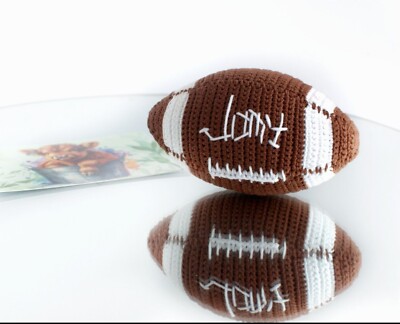
- Plush sensory football—soft for clutching.
Per AAP guidelines, limit play to short sessions to avoid overstimulation.
3 to 6 Months: Tummy Time Triumphs
As rolling begins, infant sports toys like rollable soft balls promote exploration. Early baby sports toys might overlap if your little one advances quickly, but stick to plush for safety.
Recommendations:
- Squeaky soccer ball for auditory fun.
- Crinkle baseball to encourage grasping.
A Bump community poll of 1,200 parents showed 65% credit these toys for faster milestone hits.
6 to 9 Months: Crawling into Action
Sitting up opens doors to activity mats with sports themes. Infant sports toys evolve here, while baby sports toys like ball poppers add excitement.
Examples:
- VTech Smart Shots Sports Center—interactive lights.
- Oball sensory ball—easy to grip.
This phase boosts core strength, aligning with AAP’s push for active play.
9 to 12 Months: Cruising Confidence
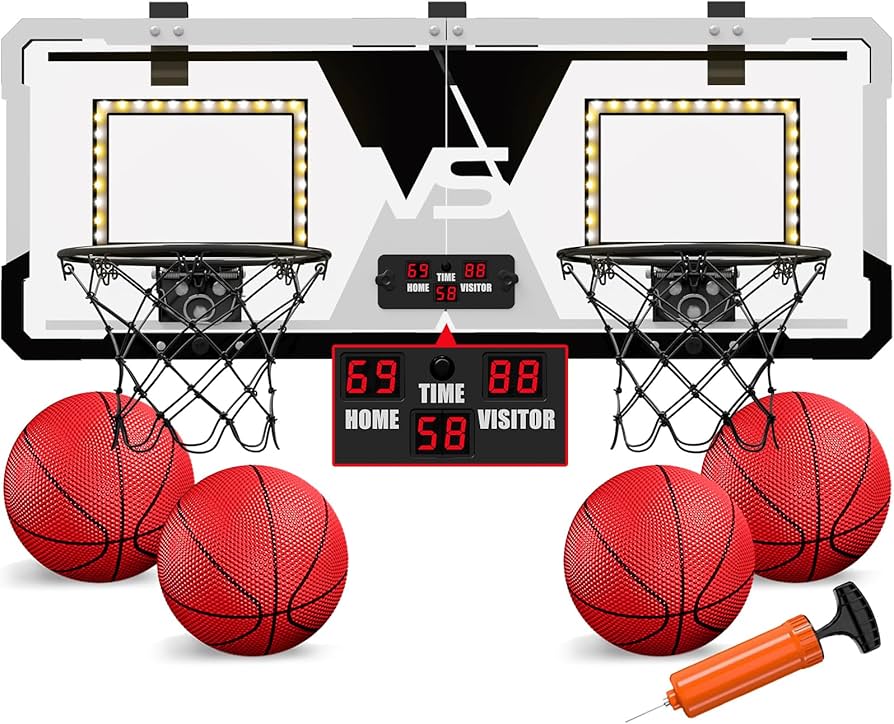
Pulling up calls for scaled-down equipment. Infant sports toys transition to baby versions, like mini hoops for standing practice.
Favorites:
- Little Sport Star basketball—plush and safe.
- Natural rubber ball for bouncing fun.
Parents report these prep kids for walking, per 2025 surveys.
12 to 18 Months: Toddler Takeoff
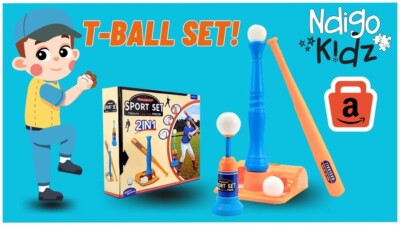
Baby sports toys dominate, with tee-ball sets encouraging steps. Infant holdovers work for gentler play.
Picks:
- Little Tikes T-Ball Set—adjustable height.
- Push-pull sports cars for mobility.
18 to 24 Months: Energetic Explorers
Advanced baby sports toys like foam soccer balls build teamwork skills. Focus on balance to ready for preschool.
Options:
- Mini golf clubs for aiming practice.
- Training wheel bikes for coordination.
Infant Sports Toys vs. Toddler Sports Toys
Toddlers (1-3 years) need active, oversized toys compared to infants’ sensory focus. Infants thrive on passive rattles; toddlers on throwing sets that channel energy.
| Aspect | Infant Sports Toys | Toddler Sports Toys |
|---|---|---|
| Safety | No small parts | Stable bases |
| Skills | Sensory tracking | Kicking, balance |
| 2025 Examples | Plush balls | Little Tikes hoops |
In my opinion, toddler toys bridge to team sports, combating sedentary habits early. CPSC warns against sharp edges for this age.
What Are Infant Sports Toys?
Infant sports toys are designed for babies aged 0-12 months, focusing on foundational physical development. At this stage, babies are just starting to develop basic motor skills like reaching, grasping, and crawling. Infant sports toys are often soft, tactile, and interactive, helping babies engage with their environment and start building the strength and coordination needed for future movement.
Key Features of Infant Sports Toys:
- Soft and Safe: These toys are made from gentle, non-toxic materials, perfect for an infant’s delicate hands and mouths.
- Encourage Sensory Exploration: Toys like rattles or textured balls stimulate sensory development by offering varied textures, sounds, and visuals.
- Promote Early Movement: Simple toys, such as soft play mats or tummy time balls, help babies build the muscles required for crawling and head control.
What Are Baby Sports Toys?
On the other hand, baby sports toys are designed for babies aged 12-24 months—toddlers who are starting to walk, run, and engage in more complex play. At this stage, children are ready for toys that support balance, coordination, and the early stages of active play like throwing, kicking, and following instructions in simple games.
Key Features of Baby Sports Toys:
- Encourage Physical Activity: These toys help toddlers practice walking, kicking, and throwing, thereby improving coordination and balance.
- Interactive Play: Baby sports toys like mini soccer nets, soft balls, and basketball hoops allow for basic team play with family members or peers, fostering social interaction.
- Motor Skill Refinement: At this stage, toys focus on fine-tuning gross motor skills such as running, jumping, and reaching, which are crucial for toddler development.
What Sets Infant Sports Toys Apart from Baby Sports Toys?
Infant sports toys focus on soft, sensory experiences to match a newborn’s delicate needs, while baby sports toys introduce more interactive elements as kids gain mobility. For instance, a plush rattling ball engages an infant’s senses without overwhelming them, but a mini hoop encourages a baby to stand and aim. According to a 2025 Toy Association report, 56% of parents prioritize active play toys for skill-building, highlighting a shift toward durable, engaging designs.
Key distinctions include:
- Materials: Infants get BPA-free plush; babies handle foam and lightweight plastic.
- Developmental Goals: Sensory stimulation for infants versus coordination for babies.
- Safety Standards: Both must meet CPSC guidelines, like no small parts for under-3s.
| Aspect | Infant Sports Toys (0-12 Months) | Baby Sports Toys (12-24 Months) |
|---|---|---|
| Materials | Soft plush, teething-safe | Foam, durable plastic |
| Skills Boosted | Grasping, sensory awareness | Throwing, balance |
| Examples | Plush football rattle | Mini basketball set |
Age-Appropriate Sports Toys for Infants (0-12 months)
At the infant stage, toys that encourage movement are essential for muscle development and sensory engagement. Infants this age are just beginning to develop motor skills, and toys that stimulate these abilities are vital.
1. Tummy Time Toys
- Examples: Soft play mats and inflatable tummy time toys.
- Benefits: These toys help strengthen the muscles needed for crawling and eventually sitting up. They also aid in developing neck and back strength, which is crucial at this stage.
2. Sensory Balls
- Examples: Textured, squishy balls and rattles.
- Benefits: Sensory balls help babies practice their grip and hand-eye coordination. The various textures and sounds stimulate cognitive development and keep babies engaged.
3. Activity Centers
- Examples: Baby gyms with mirrors, sounds, and hanging toys.
- Benefits: These toys allow babies to reach and grasp, developing fine motor skills. They also encourage sensory exploration through visual and auditory stimuli.
Age-Appropriate Sports Toys for Babies (12-24 months)
As babies transition into toddlers, their motor skills advance, and they can engage in more dynamic physical activities. The focus now shifts to enhancing their coordination, balance, and social interaction through active play.
1. Balls and Bouncy Balls
- Examples: Inflatable balls and soft rubber balls.
- Benefits: Balls encourage toddlers to kick, roll, and bounce, which helps with balance, coordination, and muscle strength.
2. Mini Sports Equipment
- Examples: Toy soccer nets, basketball hoops, or plastic baseball bats.
- Benefits: These toys introduce the concept of sports and allow toddlers to practice essential sports skills, such as kicking, throwing, and catching.
3. Push-and-Pull Toys
- Examples: Toy cars or animal push toys.
- Benefits: These toys encourage toddlers to walk, run, and explore. They help build leg strength and coordination, enhancing walking stability.
Infant Sports Toys vs. Toddler Sports Toys: Which to Choose?
When selecting sports toys for your baby, it’s essential to consider both their age and developmental needs. Here’s how to decide which toys are right for your child:
1. Consider Your Baby’s Developmental Milestones
- If your baby is under 12 months, opt for toys that promote early physical skills like grasping, reaching, and tummy time.
- For toddlers aged 12-24 months, choose toys that challenge them to practice walking, running, and simple sports activities.
2. Focus on Safety and Functionality
- Infant sports toys should be soft, large, and free of small parts that could pose a choking hazard.
- Baby sports toys can include more intricate features, like small balls or plastic components, but always check for safety certifications (e.g., BPA-free, non-toxic materials).
3. Choose Toys That Encourage Social Interaction
- Infant sports toys are great for solo play or caregiver interaction, while baby sports toys can promote group play with siblings or peers, which helps build social skills like sharing and teamwork.
Infant Sports Toys vs. Preschool Sports Toys
Preschoolers (3-5 years) embrace structured play, unlike infants’ simple sensory items. Choosing good toys for preschool children (3-5 years old) is more conducive to sensory and physical development.Think mini golf versus teething paddles—fostering rules and strategy.
| Aspect | Infant Sports Toys | Preschool Sports Toys |
|---|---|---|
| Complexity | Basic sounds | Scoring elements |
| Skills | Grasping | Teamwork, aiming |
| 2025 Examples | Silicone teethers | Liberry Golf Set |
I believe these toys prep kids for school sports, promoting inclusivity. Toy Insider trends note rising eco-friendly options in 2025.
Keeping Play Safe: Essential Guidelines
Safety is non-negotiable. CPSC mandates no small parts for under-3s and non-toxic materials. For toddlers and preschoolers, ensure stable bases to prevent falls.
Tips:
- Check labels for age ratings.
- Supervise to avoid choking.
- Clean regularly per manufacturer instructions.
Reference: CPSC Toy Safety
Our Top Picks and Where to Shop
Best Infant Sports Toys
- Kidaddle Baby’s First Sports Bag—sensory-packed.
- Little Sport Star Set—versatile plush.
- Oball Sensory Ball—grip-friendly.
Best Baby and Toddler Sports Toys
- VTech Smart Shots—interactive.
- Little Tikes T-Ball—durable.
- Foam Soccer Balls—safe kicking.
Best Preschool Sports Toys
- Adjustable Golf Sets—skill-building.
- Pogo Jumpers—fun balance.
Shop on Amazon or Walmart for reviews. Factors: Price under $50, 4+ star ratings.
Wrapping Up: Choose Wisely for Lasting Fun
Throughout the entire text, we can learn about the comprehensive understanding of infant sports toys and baby sports toys, as well as preschool sports toys and other different age groups of children. Sports toys are utilized in some substantive behaviors and cases of children’s development stages. By starting from reality and combining with yourself, you can understand some of the purposes and benefits that sports toys can provide in helping your child develop sports and exercise themselves.
There are many types of infant sports toys, and we need to consider our goals, the level of proficiency suitable for your child, and their actual physical development. We should not act too hastily, nor should we push the seedlings to grow, nor should we need you to have a strong goal that allows your child to develop with a small reference medium. This is a bit too hasty, so we should choose the right, appropriate, and truly interesting sports toys for children, and at the same time, participate ourselves and lead children to play together.
Expand sports through play, expand different activities through sports, and develop skills optimization and benefit rendering that are relatively good for children from activities. In this way, your children may be able to optimize from various dimensions, aspects, and levels, making you feel their progress. At the same time, the children themselves can also accept the feelings brought by this progress and proceed with their next self growth.
FAQ About Infant Sports Toys
- What are top infant sports toys for newborns? Soft rattles like Fisher-Price.
- How do baby sports toys aid toddlers? By building coordination.
- Are these toys safe? Yes, if CPSC-compliant.
- What are the best sports toys for infants? For infants, the best toys include soft, sensory-based toys like textured balls and tummy time mats, which promote basic motor skills like reaching and crawling.
- When should I introduce baby sports toys? Introduce baby sports toys around 12 months when your child begins walking and running. Toys like mini soccer nets and soft balls are ideal for toddlers developing their coordination.
- How do baby sports toys support coordination? Baby sports toys like soft balls and mini sports equipment help toddlers practice basic sports skills like kicking, throwing, and catching, which refine their hand-eye coordination and balance.
References and Credible Sources: