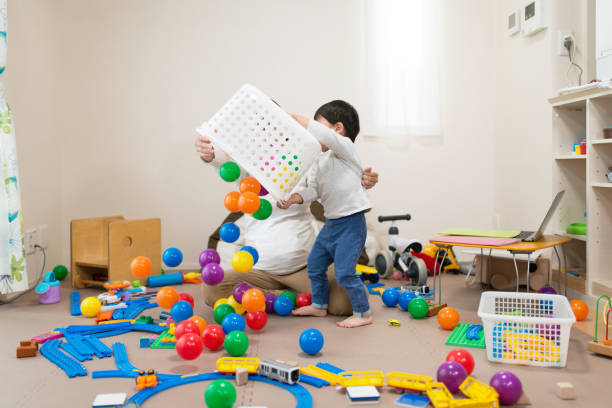

Nowadays, there are so many ball toys on the market. Children can use these toys to achieve goals related to their physical health, development, and growth. So, how should ball toys be chosen? Should it be based on age, functionality, purpose, or suitability? Here, we will take ‘ball toys for 3 year olds’ as an example to explore how to select ball toys for 3 year olds children to support their growth and development, helping you to better understand the choices.
Undoubtedly, we all know that playing well with a ball toy can be both an extension of interests and an optimization of skills, enhancing physical development and athletic abilities. This also fulfills certain purposeful needs and techniques, making you appear more competent while improving yourself. For example, as we mentioned earlier, ball toys for 3 year olds can support their physical growth and the development of sports skills.
So, what types of ball toys are there for children in other early stages beyond age 3? How do 3-year-old children actually use ball toys in different environments? We can demonstrate this through practical applications in settings like home, school, or professional competitions. From these perspectives and specific examples, we will analyze how ball toys, through moving, using, and playing, can produce unique growth benefits and developmental improvements.
Best Ball Toys for 3 Year Olds: Development Guide 2025
Understanding Developmental Needs of 3-Year-Olds
Three-year-olds are in a sweet spot for growth, mastering basics like running, jumping, and throwing. Ball toys tap into this by strengthening gross motor skills—think kicking or catching—which build balance and strength.
Cognitively, they help with problem-solving, like predicting a ball’s bounce, while sensory play sharpens touch and sight.
Emotionally, shared ball games foster confidence and social bonds, reducing tantrums through active release.
In my view, these simple toys often outshine gadgets, offering endless replay value without batteries. According to the American Academy of Pediatrics, active play like this cuts screen time risks and promotes healthy habits early on.
Why Ball Toys are Essential for 3-Year-Olds
At age three, toddlers are rapidly advancing in their motor and cognitive skills. Ball toys play a significant role in this development by encouraging both gross and fine motor skills, improving hand-eye coordination, and enhancing spatial awareness. These activities contribute to a healthier lifestyle while offering fun and engaging playtime experiences. Ball toys for 3-year-olds aren’t just a great way to keep kids entertained—they’re tools that shape the foundation for future skills like running, jumping, and even participating in team sports.
Key Factors to Consider When Choosing Ball Toys for 3 Year Olds
Choosing the right ball toy for a 3-year-old isn’t just about the toy’s appearance—it’s about how it will contribute to their development. Here’s what you need to keep in mind:
1. Size and Weight
Make sure the ball is the right size for your child’s hands. A ball that’s too large or heavy can be frustrating for them to handle. Ideally, it should fit comfortably in their palms for easy tossing, catching, or rolling.
2. Material Safety
Balls for toddlers should be made from non-toxic, BPA-free materials. Look for brands that emphasize safety, especially when it comes to the materials used to create the toys. Rubber, foam, and soft plastic are ideal options.
3. Age Appropriateness
Always check the age recommendations on the packaging. Many toys have small parts that may pose a choking hazard to young children. Stick to products specifically designed for 3-year-olds to ensure safety and suitability.
4. Durability
Young children can be rough on toys. Choose balls made from sturdy, tear-resistant materials to ensure long-lasting play, especially if you’re opting for inflatable or bouncy balls.
Types of Ball Toys for 3 Year Olds and Their Benefits
Ball toys come in varieties tailored to toddlers’ needs, each offering unique perks for development.
Soft Foam Balls
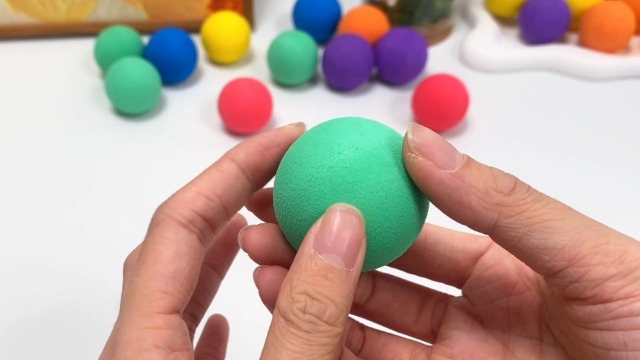
These cushy options are perfect for beginners, cushioning misses and encouraging gentle throws. They boost hand-eye coordination and are safe for indoor romps. Parents in Reddit polls rave about their longevity in active households.
Benefits include:
- Easy grip for small hands.
- Low injury risk during play.
- Versatile for rolling games.
Sports-Inspired Balls
Mini soccer or basketball versions introduce basic sports, enhancing gross motor skills and teamwork. They’re great for outdoor energy burns, preparing kids for group activities.
Pros: Build endurance; fun themes engage interest. A Consumer Reports survey notes these as top picks for active 3-year-olds.
Interactive and Electronic Balls
Light-up or sound-making balls teach cause-and-effect, sparking curiosity. However, I believe moderation is key—over-relying on electronics might dull natural creativity compared to plain balls.
Sensory and Textured Balls
Bumpy or squishy designs stimulate senses, aiding emotional regulation. Ideal for kids with sensory needs, per expert insights from Simply Special Ed.
Outdoor and Active Balls
Hopper or beach balls promote jumping and balance, turning backyards into adventure zones. Forbes Vetted highlights their role in tested favorites for high-energy play.
Ball Toy Types for Other Early Childhood Stages Beyond Age 3
As kids grow, ball toys evolve to match new milestones, ensuring smooth transitions.
For Infants (0-12 months)
At this stage, ball toys serve as an introduction to movement and grasping. Look for small, lightweight balls made of soft materials like fabric or rubber.
- Best for: Tactile exploration and early motor skills (grasping and rolling).
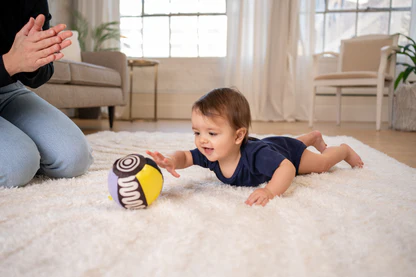
For Toddlers (12-24 months)
Toddlers enjoy rolling balls as they start walking and crawling. Larger, squishy balls help them gain confidence while learning to balance and walk.
- Best for: Crawling and standing activities. Choose balls that make sound or have different textures to keep toddlers engaged.
| Age | Type | Key Skill |
|---|---|---|
| 0-12 Months | Sensory Rattle | Visual Tracking |
| 1-2 Years | Inflatable Large | Basic Mobility |
| 4-6 Years | Junior Sports | Strategy |
For Preschoolers and Older (4-6 Years)
By age four or five, children are more proficient with basic ball skills. They can participate in more structured games like catch or simple kicking drills.
Best for: Engaging in complex games like soccer or catch. Opt for medium-sized, durable balls designed for older children.
Top Recommendations: Best Ball Toys for 3 Year Olds
Based on Amazon best-sellers and parent feedback, here are standout picks.
| Product | Price | Features | Developmental Focus |
|---|---|---|---|
| Gejoy Soft Foam Balls (24-pack) | $15 | Lightweight, colorful | Coordination |
| ROHSCE Sensory Balls | $20 | Textured, Montessori-style | Sensory Exploration |
| BuzzFeed-Recommended Hover Balls | $18 | LED lights, indoor-safe | Active Play |
These align with Bump community favorites for outdoor fun.
Practical Applications of Ball Toys for 3-Year-Olds in Different Settings
Maximize benefits by adapting play to environments.
Home
Ball toys are perfect for home play, as they can be used indoors and in small spaces. Create an obstacle course or a rolling game in the hallway to keep your child active. Soft balls are best suited for this kind of indoor play to avoid any damage to furniture or walls.
- Pro Tip: Set up a mini bowling game with soft balls and plastic cups to enhance motor skills.
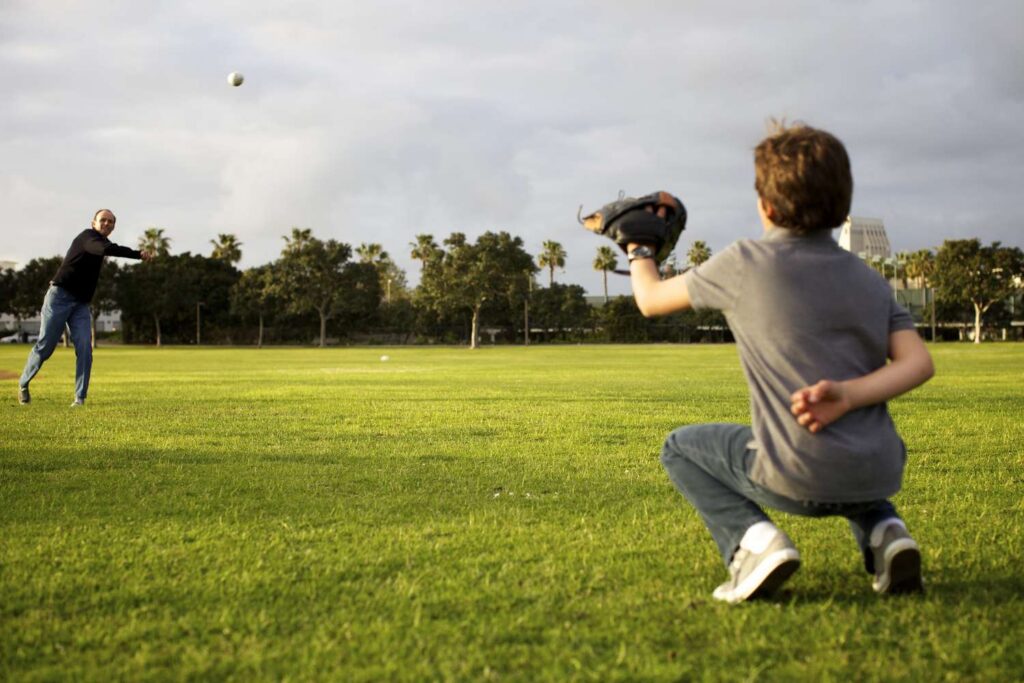
School
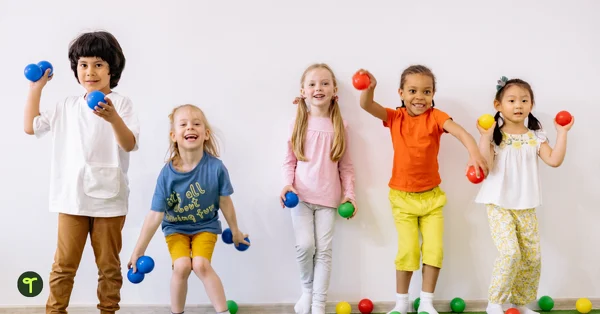
In a school setting, ball toys can be used to promote group play and teamwork. Games like passing, kicking, or bouncing balls can be used in physical education classes to improve gross motor skills and social interaction.
- Pro Tip: Have teachers use interactive balls that light up or make sound to keep children engaged during school activities.
Professional Competitions
Although it may seem early, introducing ball-related activities in a fun, non-competitive way at age three can set the foundation for more organized sports later on. Playing simple games like “kick the ball” or “catch” can teach the basic skills required for sports like soccer or basketball.
- Pro Tip: Join toddler sports classes that use age-appropriate ball activities to promote skill development.
Tips for Incorporating Ball Toys into Daily Play
- Start with basics: Roll the ball back and forth to teach turns.
- Build complexity: Add targets for aiming practice.
- Mix settings: Alternate indoor/outdoor for variety.
Motherly’s poll shows 78% of preschool parents encourage such play.
Don’t ignore age labels—older toys pose risks. Skip latex if allergies lurk. Balance fun with learning; cheap knockoffs break fast. Fat Brain Toys emphasizes quality for lasting value.
Conclusion-Ball Toys for 3 Year Olds Boils Down to Safety, Fun, and Growth Alignment
Through the above discussion on how to select ball toys for 3 year olds to support their physical growth and development, as well as the expansion and cultivation of various motor skills, we also explored other types of ball toys suitable for early childhood stages. Additionally, practical examples of 3-year-olds using ball toys in different environments were examined, covering perspectives from home, school, professional settings, and competitions. This multi-angle, multi-perspective approach demonstrates how ball toys for 3 year olds can help them achieve self-optimization and meet their specific developmental goals
From these perspectives, you will understand that ball toys are indispensable developmental toys that facilitate children’s physical growth and the cultivation of moral, intellectual, physical, aesthetic, and labor-related qualities. They not only enrich children’s interests but also enable purposeful skill expansion and training through recreational activities like playing and moving.
After mastering ball games and similar toys, sports may also come naturally, allowing your children to experience the charm of athletics and spark their curiosity about the world of sports. Moreover, this is not only a healthy and beneficial activity for their well-being but also helps them develop multiple interests beyond academics.
FAQs About Ball Toys for 3 Year Olds
- What are the safest ball toys for 3 year olds? Soft foam ones with certifications.
- How do ball toys support development in toddlers? They build motors skills and social ties.
- Best budget ball toys for 3 year old boys/girls? Under $20 sets from Amazon best-sellers.
- Can ball toys help with sensory issues? Yes, textured varieties calm and engage.
- Where to buy educational ball toys for 3 year olds? Sites like Fat Brain Toys.
- What ball toys are best for toddlers under 3? Sensory rattles for infants.
- How to use ball toys in preschool settings? Group games for cooperation.
- Are competitions suitable for 3-year-olds? Focus on fun, not pressure.
- What type of ball is best for a 3-year-old? A soft, lightweight ball made from non-toxic materials is ideal. Consider options like foam balls or rubber balls that are safe and easy for little hands to grasp.
- Are there any safety concerns with ball toys for toddlers? Always look for balls that are free from small parts or choking hazards. Soft balls are a safer choice for younger children, especially if they are still learning basic motor skills.
- How can I help my 3-year-old learn to play with a ball? Start with simple games like rolling the ball back and forth or kicking it to a target. As your child grows, introduce more complex activities like catch or bouncing.
References and Credible Sources: