
Best Drones for Cinematography & Aerial Filming
Why This Guide Matters for Filmmakers
Do you like playing with drones? Are there any explorations or known situations in the field of unmanned aerial vehicles?
Drones are a great tool for flight video recording and shooting. Maybe you like to use drones for photography, but you don’t know how to choose. Don’t panic. We’ll teach you how to choose the best drones for cinematography.
If you use a drone for video and photography correctly, you can use it to record your daily life or apply it to some professional scenarios for film and television shooting, video recording, and evidence for important events, etc.
Of course, photography drones are not only used in film and television, life-like scenes, or serious occasions. We can also use them as a daily leisure tool in different scenarios where you want to preserve memories.
And choosing best drones for cinematography is an important foundation for you to step into using drones for cinematography. Choice determines the outcome, choice determines the experience. We recommend the previous 12 best drones for cinematography to you, allowing you to compare the different points from these as well as suggestions and tips to help you make the right choices and appropriate options to create the best photography experience.
Essential Traits of Outstanding Cinematography Drones
Top-tier aerial photography drones not only possess fundamental flight capabilities but also deliver professional-grade, high-quality imagery. Their core features include: an advanced gimbal system enabling silky-smooth panning and tilting shots even in strong winds; high-bitrate video recording paired with powerful dynamic range technology, ensuring precise detail capture in bright skies or shadowed terrain.
Battery life and smart modes—such as active tracking—are equally crucial during actual shooting. In my view, overemphasizing raw resolution is putting the cart before the horse; stability and quick setup often determine the success or failure of a shoot, which is especially critical for independent creators working solo.
- Superior camera sensors (at least 1-inch for low-light performance)
- 3-axis gimbal with cinematic modes
- Extended flight times (35+ minutes ideal)
- Robust obstacle sensing for complex scenes
- Portable design without sacrificing power
What Makes a Cinematic Drone Exceptional?
1. Camera Sensor & Image Quality
For compelling footage, opt for drones with 1-inch or larger sensors. These capture more light and detail, especially in low-light or sunset shots, and contribute to richer cinematic imagery.
2. Stabilization & Gimbal Performance
A 3-axis mechanical gimbal is essential for smooth, shake‑free video. Professional content creators often cite gimbal quality as the non‑negotiable foundation for broadcast‑worthy footage.
3. Battery Life & Flight Stability
Expect around 25–30 minutes per battery as a practical threshold. Extra batteries can significantly extend shooting time in dynamic environments.
4. Transmission & Obstacle Avoidance
A strong, low‑latency video feed allows real‑time framing adjustments, while omnidirectional obstacle avoidance keeps your drone safe during complex shots.
Decoding Drone Types
Not all drones suit every task, and understanding the differences helps avoid buyer’s regret. Cinematography models prioritize fluid video motion and manual controls for storytelling.
1.Aerial Photography
These lean toward high-megapixel stills and RAW formats for post-editing flexibility. They share gimbals with cinema drones but often skip advanced video frame rates, making them better for drone to take photos rather than long takes.
2.Consumer-Grade
Consumer-grade options focus on simplicity and fun, with automated features that appeal to hobbyists. They trade pro build quality for lower prices, perfect for casual users exploring top rated consumer drones.
3.Travel
Travel drones emphasize compactness and weight under 250g to dodge regulations. They shine for on-the-go creators but may compromise on wind resistance compared to heavier cinema setups.
Handpicked Top 12: Premier Drones for Cinematic Excellence in 2025
We’ve ranked these based on video performance, reliability, and user feedback from recent reviews. Each stands out for specific cinematic strengths, from Hollywood-grade rigs to versatile prosumer tools.
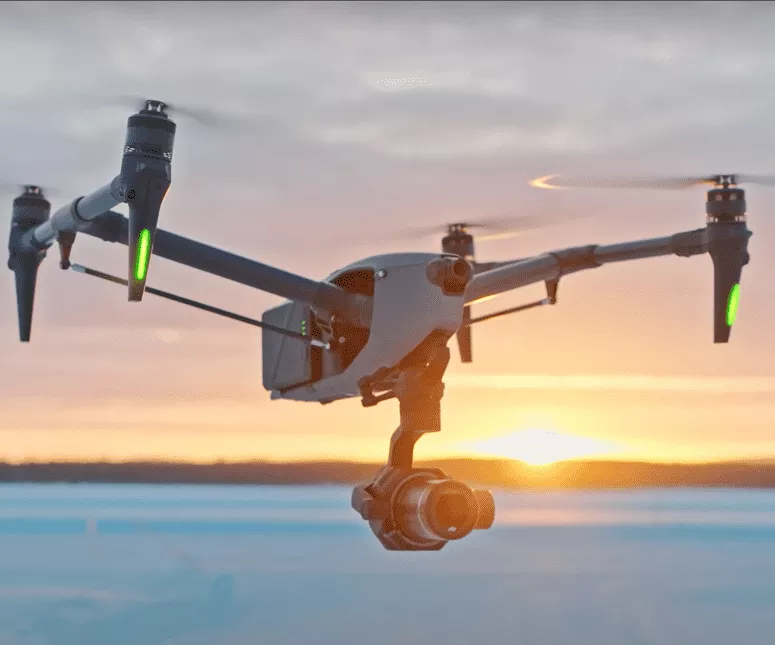
1. DJI Inspire 3: Ultimate Professional Cinema Drone
The Inspire 3 remains the gold standard for high-end productions, with full-frame interchangeable lenses and 8K recording. Its dual-operator mode allows separate control for camera and flight.
- Pros: Unmatched image quality, RTK accuracy
- Cons: High cost and bulk (~$16,000+)
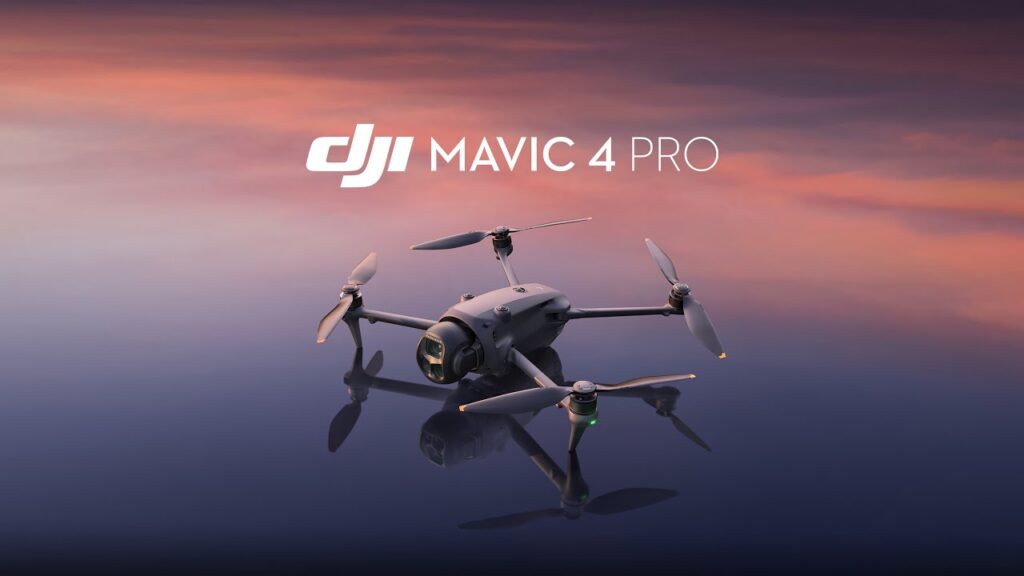
2. DJI Mavic 4 Pro: Flagship Versatility for Serious Filmmakers
This triple-camera beast offers Micro Four Thirds sensors and extended flight time. It’s my favorite for balanced pro features without Inspire-level complexity.
- Pros: Exceptional color science, 51-minute flights
- Cons: Premium pricing (~$2,000)
3. DJI Mavic 3 Pro: Proven Workhorse for Aerial Videography
Hasselblad tuning delivers stunning 5.1K footage with omnidirectional avoidance. Community polls often rank it highest for reliable daily use.
- Pros: Telephoto lens for creative compression
- Cons: Slightly older than newer releases (~$2,200)
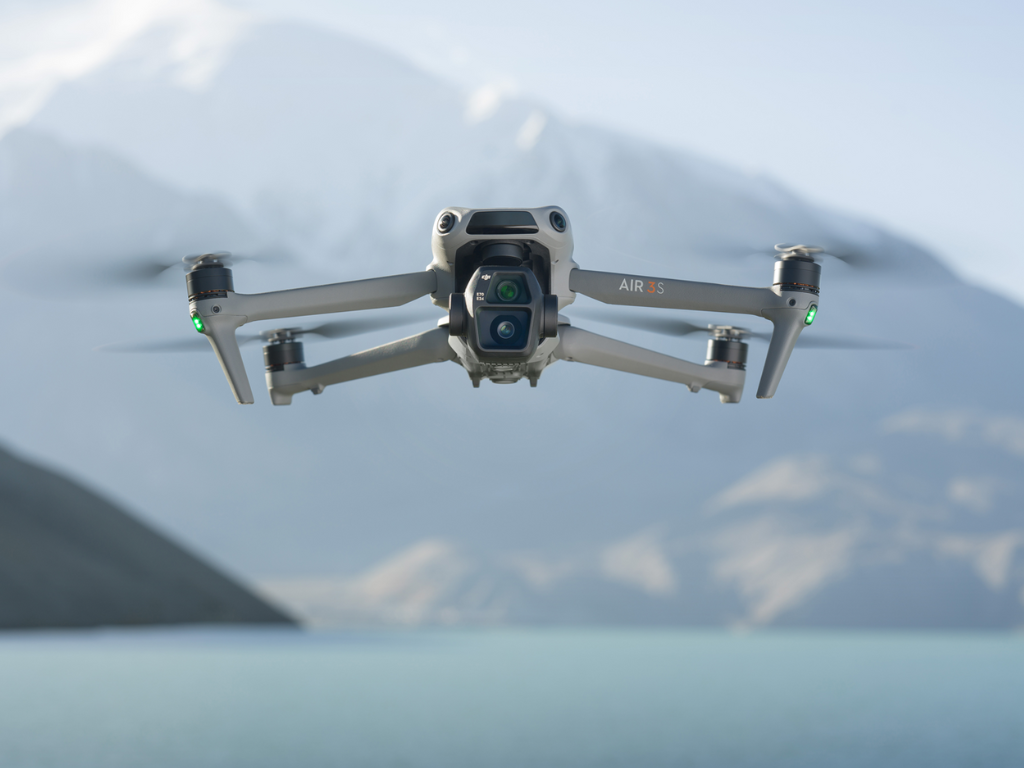
4. DJI Air 3S: Dual-Camera Master for Dynamic Shots
Low-light prowess and 4K slow-motion make this a mid-range standout for drone for picture taking alongside video.
- Pros: Nightscape mode, compact fold
- Cons: Not full pro sensor (~$1,100)
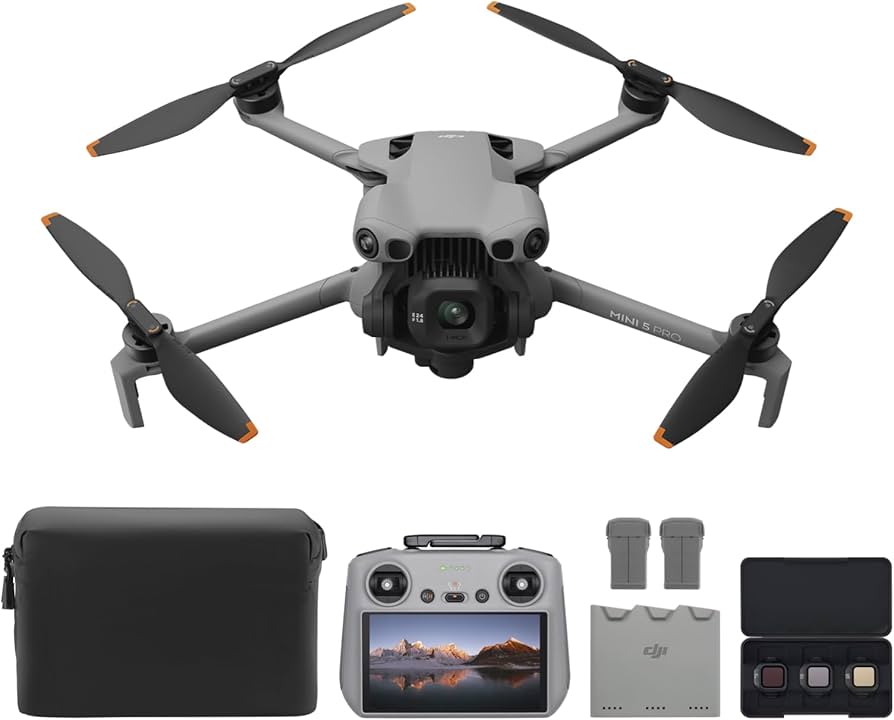
5. DJI Mini 5 Pro: Compact Powerhouse for On-Location Creativity
Under 250g yet packing serious upgrades—proof that small drones can deliver big cinematic results for indie projects.
- Pros: Regulation-friendly, improved stability
- Cons: Wind sensitivity (~$800)
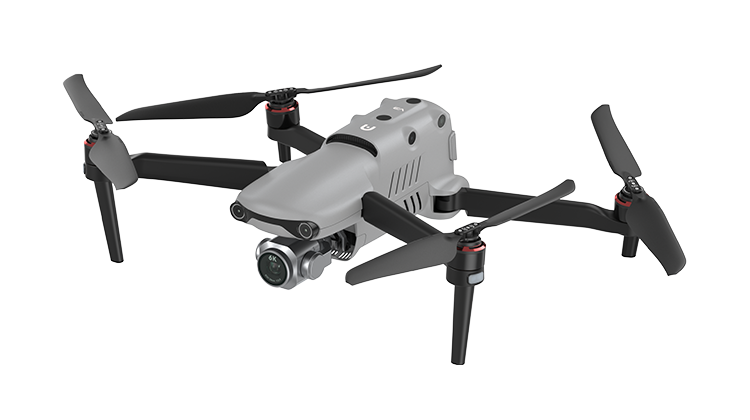
6. Autel EVO II Pro V3: Strong DJI Alternative with Freedom
No geo-fencing restrictions appeal to users wanting unrestricted flying.
- Pros: Moonlight algorithm for nights
- Cons: Bulkier app ecosystem (~$2,100)
7. DJI Mavic 3 Classic: Budget-Friendly Pro Entry
Single Hasselblad camera but retains core excellence.
- Pros: Great value retention
- Cons: Fewer lenses (~$1,600)
8. DJI Air 3: Reliable All-Rounder for Mixed Shoots
Dual cameras and smart tracking at a accessible price.
- Pros: 46-minute flights
- Cons: Superseded by 3S (~$1,000)
9. Autel EVO Lite+: Lightweight Night Specialist
Compact with strong low-light performance.
- Pros: 40-minute battery
- Cons: Less refined avoidance (~$1,150)
10. Skydio 2+: AI-Driven Autonomous Filming
Beacon tracking enables hands-free follows.
- Pros: Unmatched autonomy
- Cons: Limited manual controls (~$1,000)
11. DJI Mini 4 Pro: Still-Relevant Travel Veteran
Vertical shooting and portability keep it popular.
- Pros: Proven reliability
- Cons: Outdated next to Mini 5 (~$760)
12. HoverAir X1 Pro Max: Self-Flying Creative Tool
Palm-launch simplicity for quick social clips.
- Pros: Zero setup hassle
- Cons: Limited advanced control (~$500)
Quick Comparison Table: Cinematography Drones Overview
| Drone Model | Price Range | Video Resolution | Flight Time | Key Strengths | Best For | Rating |
|---|---|---|---|---|---|---|
| DJI Inspire 3 | $$$$ | 8K @ 75fps | 28 min | Pro cinema lenses, dual control | High-end productions | 9.8/10 |
| DJI Mavic 4 Pro | $$$ | 6K @ 60fps | 51 min | Triple cameras, color accuracy | Versatile filmmaking | 9.5/10 |
| DJI Mavic 3 Pro | $$$ | 5.1K @ 50fps | 46 min | Hasselblad tuning | Reliable prosumer work | 9.4/10 |
| DJI Air 3S | $$ | 4K @ 120fps | 45 min | Low-light excellence | Mixed photo/video | 9.2/10 |
| DJI Mini 5 Pro | $$ | 4K @ 100fps | 38 min | Ultra-portable pro features | Travel cinematography | 9.0/10 |
| Autel EVO II Pro V3 | $$$ | 6K @ 30fps | 40 min | No restrictions, night shots | Alternative pro needs | 8.9/10 |
| DJI Mavic 3 Classic | $$ | 5K @ 50fps | 46 min | Value pro performance | Budget-conscious creators | 8.8/10 |
| DJI Air 3 | $$ | 4K @ 60fps | 46 min | Smart tracking | Everyday versatility | 8.7/10 |
| Autel EVO Lite+ | $$ | 6K @ 30fps | 40 min | Compact night capability | Low-light travel | 8.6/10 |
| Skydio 2+ | $$ | 4K @ 60fps | 27 min | AI autonomy | Hands-free follows | 8.5/10 |
| DJI Mini 4 Pro | $$ | 4K @ 60fps | 34 min | Regulation ease | Beginner travel | 8.4/10 |
| HoverAir X1 Pro Max | $ | 8K @ 30fps | 20 min | Zero-learning curve | Quick creative clips | 8.3/10 |
Top 3 Drone Recommendations for Other Scenarios
These extend value for creators with varied needs.
Premier Choices for Dedicated Aerial Photography
- DJI Mavic 3 Pro – 50MP stills with telephoto reach
- DJI Air 3S – Excellent dynamic range for landscapes
- Autel EVO Lite+ – Strong RAW processing
Leading Top-Rated Consumer Drones
- DJI Mini 4 Pro – Highest user satisfaction scores
- DJI Flip – Fun and approachable entry point
- Potensic Atom 2 – Surprising quality on budget
Best Portable Travel Drones
- DJI Mini 5 Pro – Regulation-friendly powerhouse
- DJI Mini 4 Pro – Proven packable performer
- DJI Air 3S – Premium features in travel size
Key Differences in Drone Categories
Cinematic vs. Aerial Photography Drones
- Cinematic drones focus on motion quality, frame rates, and color profiles.
- Aerial photography drones emphasize still image resolution and composition flexibility.
Consumer‑Grade vs. Cinema Drones
- Consumer‑grade models offer easy operation and smart features.
- Cinema drones deliver professional imaging options, advanced codecs, and broader manual controls.
Travel vs. Professional Drones
- Travel drones prioritize lightweight portability and regulatory ease.
- Professional drones often come with accessories and power for demanding shoots.
How to Pick the Right Drone for You?
- Define Your Creative Goals
- Cinematic film? Social content? Travel memories?
- Match Technical Needs
- Prioritize sensor size, stabilization, and flight time.
- Consider Legal Requirements
- Understand local registration rules (e.g., FAA Part 107 for commercial use in the U.S.) and Remote ID mandates.
Comprehensive Buying Guide and Common Questions for Drone Enthusiasts
Budget Breakdown
Entry-level ($500–$1,000) offers solid 4K; mid-range adds pro tools; premium delivers cinema-grade results.
Travel Considerations
Prioritize sub-250g models for fewer restrictions—ideal travel drone choice.
Pro vs. Consumer Features
Cinema drones include log profiles and higher bitrates that consumer models often skip.
Aerial Photography Tips
- Shoot in RAW for editing flexibility
- Use ND filters for motion blur
- Plan golden-hour flights for best light
- Bracket exposures for HDR merges
Regulations and Safety
Always check local laws; Drone Industry Insights’ 2025 report notes increasing BVLOS opportunities but stresses responsible flying.
FAQs About Best Drones for Cinematography
- What’s the best drone for cinematography under $1,000? → DJI Air 3 or Mini 5 Pro deliver impressive results.
- How do cinema drones differ from standard drones for picture taking? → Video-centric modes and higher frame rates versus stills priority.
- Which travel drone excels at aerial photography? → DJI Mini 5 Pro balances portability and image quality.
Conclusion: Elevate Your Aerial Storytelling
Based on the top 12 best drones for cinematography we recommend to you above, it can be seen that drones are used by many people for various functional purposes such as photography, documentation and leisure. By choosing best drones for cinematography, you can embark on your journey of photographic documentation flow, which will all be crucial keys for you to enter the world of drone exploration and the wondrous experience.
It can also be from these 12 best drones for cinematography that we recommend
By comparing the differences, advantages and application scenarios of these drones, and making a comprehensive and comparative choice of the photography drone that suits you based on your overall factors, you can achieve the best usage effect and the most beneficial results.